

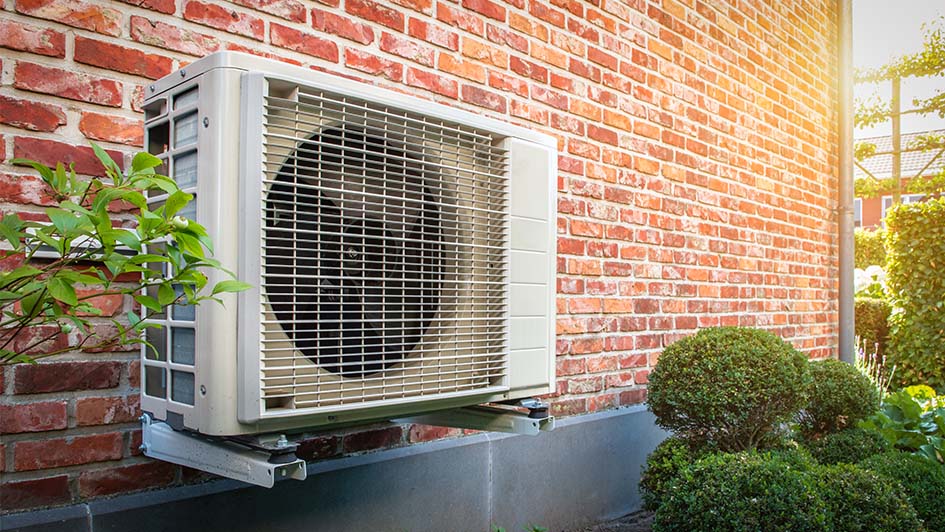
Summer arrives. Your air conditioner starts running, but your home still feels clammy. Family members keep lowering the thermostat temperature. Now, some rooms still feel sticky while others feel too cold. Meanwhile, energy bills increase.
This is a typical challenge during humid summers in Jefferson City, MO. Many homeowners assume the solution is lowering the temperature, but comfort depends on more than your home’s temperature. Humidity plays a major role in how your home feels.
Managing summer humidity in Jefferson City, MO, is often the key to creating a more comfortable home. When indoor humidity gets too high, your instinct may be to use your AC more. However, that’s usually not the most effective solution. Understanding how to reduce indoor humidity in summer can help improve comfort while reducing strain on your air conditioner.
Why Excess Humidity Makes Your Home Feel Warmer
If you’ve ever wondered, “Why does my house feel sticky?” the answer is excess humidity. Humidity is moisture in the air. When air is extremely humid, sweat evaporates more slowly, making you feel warmer than the actual temperature. This can create a sticky, clammy feeling indoors. The air feels heavier, you may have trouble sleeping and your home isn’t comfortable.
Most experts say ideal indoor humidity levels range between 30% and 50%. When humidity levels are higher, indoor humidity problems often form.
Signs Your Home Has High Humidity
Many homeowners don’t realize humidity is the problem until warnings signs become clear.
Frequent high indoor humidity symptoms in Jefferson City, MO:
- Condensation on windows
- Musty smell in the house during summer
- Rooms that feel damp
- Mold growth or mildew
- Uneven indoor temperatures
- Home feels humid with AC running
- Constant thermostat adjustments
Why Constantly Lowering the Thermostat Isn’t the Best Solution for Indoor Humidity
Turning down the thermostat may make your home feel cooler, but it does not solve humidity issues. Overcooling by running your air conditioner hard can raise energy costs, create cold spots and cause unnecessary wear and tear on your cooling system. Often, running your AC hard leaves you with a cold, still-humid home.
While your AC can remove some moisture from a humid home, they are primarily designed to provide cooling. That’s why lowering the thermostat isn’t a good way to solve the real issue: excess humidity.
How HVAC Equipment Helps Control Humidity
As your AC cools your Jefferson City home, it also pulls humidity from the air. Warm indoor air moves over the cooling coil, causing water vapor to condense and drain away.
Some air conditioning systems control humidity better than others.
A variable-speed air conditioner is a popular choice for effective HVAC humidity control because it runs longer at lower speeds. Longer run times allow the system to reduce humidity in your home while maintaining a steady indoor temperature.
Smart thermostat can also help. Many models monitor humidity levels and provide better insight into your home’s comfort conditions.
Routine maintenance is also important. seasonal AC tune-ups help improve performance, maintain efficiency and support humidity control while reducing the risk of breakdowns.
Improper AC Sizing and Humidity Problems
An AC with much more cooling capacity than your home needs can actually create humidity problems. Because overly large systems cool a home very quickly, they often run in short cycles. They cool your home quickly, but the system doesn’t stay on long enough to remove as much moisture as it should.
By comparison, a properly sized AC runs longer and provides better HVAC humidity control. This is just one of the reasons professional sizing is so important during air conditioning installation.
Benefits of a Whole-Home Dehumidifier
AC units remove some humidity, especially variable-speed air conditioners. However, a whole-home dehumidifier is often the most efficient and effective way to remove excess humidity from your home.
A whole-home dehumidifier works alongside your HVAC system to remove excess humidity so common in this area during the summer. During winter, humidity control systems can increase comfort by adding moisture to dry, cold air.
Benefits of whole-home humidity control:
- Removes excess moisture from every room
- Makes the home feel cooler without lowering the thermostat
- Enhances indoor air quality
- Helps reduce mold and mildew growth
- Protects wood flooring and furniture from dry winter air
- Helps reduce cooling system strain
- Prevents musty smells in your house during summer
- Makes it easier to sleep
6 Tips for Managing Summer Humidity
A whole-home humidity control system is the simplest way to control excess indoor humidity in summer, but there are other steps you can take to improve comfort. If you’re wondering how to keep your house comfortable in humid weather, these tips can help.
- Keep Air Filters Clean
Dirty filters restrict airflow and reduce system performance. Properly maintained filters help your AC remove humidity more effectively. - Use Bathroom and Kitchen Exhaust Fans
Bathing, cooking and routine household activities add moisture to your home. These fans help reduce that humidity before it spreads. - Address Air Leaks
Cracks around windows and doors let moist outdoor air in your home. Sealing leaks helps keep wet air out. - Plan Seasonal AC Maintenance
Routine AC maintenance improves overall system performance, including humidity removal. - Avoid Opening Windows During Humid Conditions
Leaving windows open during humid weather lets large amounts of moisture into your home. - Look into Indoor Air Quality Enhancements
Indoor air quality solutions such as whole-home dehumidifiers and ventilation equipment can create a healthier, more comfortable indoor environment.
Effective Humidity Control for Jefferson City, MO
If your home feels sticky, muggy or uncomfortable in summer, excess humidity may be the reason. The good news is Stieferman Heating Company Inc offers proven indoor comfort solutions that will make you much more comfortable than lowering the thermostat.
From AC maintenance and smart thermostats to whole-home dehumidifiers and system upgrades, Stieferman Heating Company Inc can help you find the right solution for managing summer humidity in Jefferson City, MO. Contact us online or call 573-635-3547 today to explore humidity solutions for your home.